Key Takeaway
An exhaustive, veterinary-level deep dive into the fascinating biology of reptile digestion. Discover how snakes undergo extreme metabolic shifts, acid regulation, and organ hypertrophy to completely break down whole prey.
Table of Contents
- 1. The Pre-Digestion Phase: Metabolic Hibernation
- The Anatomy of the Fasting Snake
- The Danger of Feeding Dehydrated or Starving Snakes
- 2. Ingestion and the Metabolic Spike (Specific Dynamic Action)
- Understanding Specific Dynamic Action
- The Cardiovascular Shift
- Organ Hypertrophy
- 3. The Stomach: Chemical and Mechanical Breakdown
- The Acid Drop
- The Role of Pepsin and Enzymes
- Timeline of Gastric Digestion
- What Doesn't Digest?
- 4. The Intestines: Nutrient Absorption and the Microbiome
- Pancreatic and Hepatic Contributions
- The Role of the Enterocytes
- The Reptile Gut Microbiome
- 5. Excretion and Organ Down-Regulation
- Water Resorption
- Types of Waste
- The Return to Hibernation
- 6. The Critical Role of Temperature in Digestion
- The Thermal Engine of Digestion
- What Happens When a Snake is Too Cold?
- 7. Species-Specific Digestive Variations
- Ambush Predators vs. Active Foragers
- Specialization for specific prey
- 8. Common Digestive Pathologies in Captivity
- Gastric Stasis
- Impaction
- Enteritis (Intestinal Inflammation)
- Hepatic Lipidosis (Fatty Liver Disease)
- 9. How Feeder Quality Impacts Digestion
- 10. Frequently Asked Questions About Reptile Digestion
- Conclusion
Understanding how your reptile digests its food is essential for preventing regurgitation, optimizing feeding schedules, and identifying early signs of illness. Unlike humans and other mammals, who digest frequent, small meals with a relatively stable and constant metabolism, snakes undergo profound, temporary physiological transformations to process massive, infrequent meals. This ability to down-regulate their organs during fasting and massively up-regulate them after feeding represents one of the most extreme biological adaptations in the animal kingdom.
At Loxahatchee Rodents, we believe that understanding the "why" behind feeding practices makes for better keepers. When you understand the immense physiological cost of digestion, you stop viewing feeding as just "dropping a mouse in a tank" and start viewing it as managing a complex biological event.
This guide is an exhaustive, deep dive into the science of what happens inside your snake from the moment it strikes to the moment it defecates.
1. The Pre-Digestion Phase: Metabolic Hibernation
Before a snake eats, its digestive system is not merely empty; it is essentially shut down to conserve energy. This state of fasting is a critical evolutionary survival mechanism. In the wild, a snake might go months between successful hunts. Maintaining an active digestive tract requires massive amounts of caloric energy. To survive famines, snakes have evolved to atrophy (shrink) their own internal organs.
The Anatomy of the Fasting Snake
During a fasting period, the stomach is shrunken, thin-walled, and dormant. The liver and intestines are significantly reduced in mass. Crucially, the stomach acid is minimal, with a relatively neutral pH of around 7.0 (similar to pure water).
Because the organs atrophy between meals, a snake cannot immediately digest food upon swallowing it. The ingestion of prey must trigger a rapid, dramatic, and energy-intensive rebuilding of the digestive system. This means that for the first 24 to 48 hours after eating, the snake is operating at an energy deficit—it is spending its reserves to build the machinery needed to digest the meal it just consumed.
The Danger of Feeding Dehydrated or Starving Snakes
Because digestion requires such a massive initial energy expenditure, feeding a snake that is severely ill, chronically dehydrated, or long-starving can actually be fatal. The snake may not have the energy or fluid reserves required to jumpstart its digestive system. In these rescue scenarios, specialized critical care formulas (liquid nutrients) or extremely small, easily digestible meals (like pinky mice) are required to slowly wake up the gastrointestinal tract without exhausting the animal.
2. Ingestion and the Metabolic Spike (Specific Dynamic Action)
The moment a snake begins to swallow prey, its body goes into metabolic overdrive. The physical act of swallowing triggers a cascade of hormonal and neurological signals that awaken the dormant organs. This phase is characterized by several extreme biological changes, collectively known as Specific Dynamic Action (SDA).
Understanding Specific Dynamic Action
Specific Dynamic Action (SDA), also known as the thermic effect of food, is the amount of energy expenditure above the basal metabolic rate due to the cost of processing food for use and storage. In humans, eating a large meal might increase our metabolic rate by 10% to 20%. In some python species (most famously studied in the Burmese Python, Python bivittatus), the metabolic rate can increase by an astonishing 44 times their resting rate within 48 hours of eating.
This explosive increase in metabolism is fueled by oxygen consumption, which skyrockets. The snake's breathing rate increases dramatically to pull in enough oxygen to support this metabolic inferno.
The Cardiovascular Shift
To support this massive metabolic spike, the cardiovascular system must adapt instantly.
- Heart Hypertrophy: In some python species, the mass of the heart muscle itself increases by up to 40% within 48 hours of feeding to pump the required volume of blood.
- Blood Redirection: Blood flow is aggressively shunted away from the peripheral muscles and skin, and redirected straight to the gastrointestinal tract. This massive increase in intestinal blood flow is necessary to deliver oxygen for metabolism and to carry away the newly absorbed nutrients.
Organ Hypertrophy
The mass of the stomach, intestines, liver, and kidneys can double or even triple in size within 24 to 48 hours. The cells lining the intestines (enterocytes) elongate and multiply rapidly, increasing the surface area available for nutrient absorption. This rapid tissue growth is an incredibly energy-demanding process.
3. The Stomach: Chemical and Mechanical Breakdown
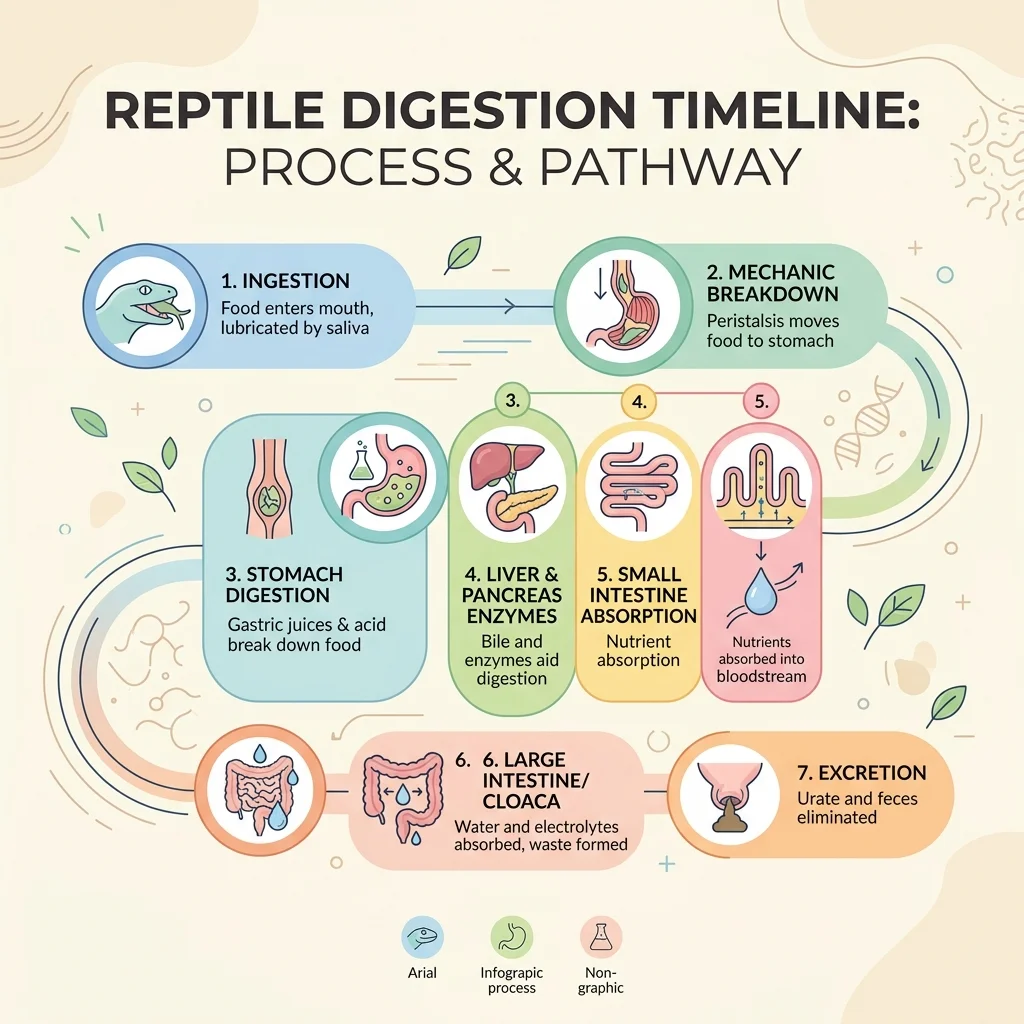
Once the prey is swallowed and reaches the stomach, the potent chemical bath begins. Snakes do not have flat teeth for chewing; their recurved teeth are designed solely for gripping and pulling prey into the esophagus. Therefore, they rely entirely on chemical digestion to break down intact animals.
The Acid Drop
Within hours of ingestion, the stomach lining rapidly secretes hydrochloric acid. The pH of the stomach plummets from a neutral 7.0 down to an incredibly acidic 1.5 or lower. To put this in perspective, battery acid has a pH of about 1.0.
This hyper-acidic environment serves two critical functions:
- Tissue Liquefaction: It breaks down the tough connective tissues, muscles, and bones of the prey.
- Sterilization: It acts as a primary immune defense, killing massive amounts of bacteria, viruses, and parasites that may have been present on or inside the prey. This is why snakes can routinely consume scavenged or rotting prey in the wild without dying of sepsis.
The Role of Pepsin and Enzymes
Alongside hydrochloric acid, the stomach secretes pepsinogen, which is converted by the acidic environment into the active enzyme pepsin. Pepsin is a protease—an enzyme specifically designed to cleave the peptide bonds in proteins, breaking down the animal's muscle mass into smaller polypeptide chains.
The strong muscular walls of the stomach also undergo rhythmic contractions (peristalsis). This gentle kneading helps mix the prey with the highly acidic digestive juices, ensuring the acid penetrates deeply into the carcass.
Timeline of Gastric Digestion
The timeline of this breakdown depends heavily on the size of the prey, the species of the snake, and the environmental temperature. Generally:
- Day 1-2: The fur and skin begin to dissolve. The acid breaches the prey's abdominal cavity.
- Day 3-4: The internal organs and muscle tissues of the prey are liquefied.
- Day 5-6: The skeletal structure (bones and cartilage) is broken down by the acid.
- Day 7+: The entire animal is reduced to a thick, soupy, nutrient-rich liquid known as chyme.
What Doesn't Digest?
Keratin is highly resistant to both stomach acid and pepsin. Therefore, hair, fur, feathers, and the outer sheaths of claws pass through the stomach largely intact. These indigestible materials travel through the rest of the digestive tract and are eventually excreted in the feces. This is why evaluating the quality of the feeder's coat is more about external cleanliness and biosecurity than internal nutrition.
4. The Intestines: Nutrient Absorption and the Microbiome
As the stomach finishes its chemical processing, the pyloric sphincter opens, allowing the liquefied chyme to move into the small intestine. This is where the actual extraction of nutrients occurs.
Pancreatic and Hepatic Contributions
As the highly acidic chyme enters the small intestine, it must be neutralized to prevent it from burning the intestinal walls. The pancreas secretes bicarbonate to neutralize the acid, bringing the pH back up to a manageable level.
Simultaneously, the liver produces bile (stored in the gallbladder), which is secreted into the intestine to emulsify fats. Emulsification breaks large fat globules into microscopic droplets, significantly increasing the surface area for pancreatic lipases (fat-digesting enzymes) to do their work. The pancreas also secretes additional proteases (like trypsin) and amylases to further break down proteins and any trace carbohydrates.
The Role of the Enterocytes
The walls of the small intestine are lined with millions of microscopic, finger-like projections called villi, which themselves are covered in microvilli. This creates a massive surface area for absorption. The elongated, hypertrophied enterocytes actively transport amino acids, fatty acids, vitamins, and minerals out of the intestinal lumen and directly into the bloodstream.
Because of the high bone density of a quality feeder rodent (like those detailed in our feeder nutrition comparison), the snake absorbs significant amounts of calcium and phosphorus. This is vital for maintaining its own skeletal health and preventing nutritional deficiencies such as Metabolic Bone Disease.
The Reptile Gut Microbiome
The intestines are not sterile; they are home to a massive ecosystem of beneficial bacteria, fungi, and protozoa. This gut microbiome plays a crucial role in breaking down complex molecules that the snake's own enzymes cannot process.
Certain bacteria ferment remaining tissues, extracting the absolute maximum amount of energy from the prey. Furthermore, these microbes synthesize essential vitamins, such as Vitamin K and various B vitamins, which are then absorbed by the snake. A healthy microbiome also provides competitive exclusion, preventing pathogenic bacteria (like Salmonella) from taking hold and causing disease.
5. Excretion and Organ Down-Regulation
After the nutrients are extracted in the small intestine, the remaining waste (hair, teeth, claws, and uric acid) moves to the large intestine (colon) and finally the cloaca.
Water Resorption
The large intestine's primary role in reptiles is the resorption of water. Snakes are highly efficient at conserving water, a trait evolved for survival in arid environments. The colon extracts as much moisture as possible from the waste material before excretion.
Types of Waste
Reptiles excrete waste in three forms, often passed simultaneously:
- Feces: The solid, usually dark brown waste consisting of the indigestible matter (fur, claws, teeth) and dead bacteria from the microbiome.
- Urates: The white, chalky substance. Unlike mammals, which excrete nitrogenous waste as liquid urea dissolved in water, snakes excrete nitrogenous waste as solid uric acid. This is a massive water-saving adaptation.
- Liquid Urine: A small amount of clear liquid is often passed along with the urates and feces.
The Return to Hibernation
Once digestion and excretion are complete, the massive metabolic rate plummets back to resting levels. The cardiovascular system normalizes. The enterocytes in the intestines die off and are shed in the feces. The stomach, liver, and intestines shrink back to their dormant, atrophied state, awaiting the next meal. The cycle of specific dynamic action is complete.
6. The Critical Role of Temperature in Digestion
It is impossible to discuss reptile digestion without discussing thermoregulation. Reptiles are ectothermic; they cannot generate their own body heat. Therefore, their digestion is entirely dependent on the external temperatures provided in their enclosure.
The Thermal Engine of Digestion
Heat is the physical engine that drives the chemical reactions of digestion. If the enclosure's temperature gradient is incorrect, the entire biological process we just detailed halts.
Every enzyme (pepsin, trypsin, lipase) has an optimal temperature range in which it functions best. For a Ball Python, this is typically around 88–92°F. If the snake cannot achieve this core body temperature by basking, the enzymes become sluggish or completely inactive.
What Happens When a Snake is Too Cold?
If a snake eats a meal but cannot get warm enough to digest it, a catastrophic biological failure occurs:
- Failed Metabolic Spike: The metabolism does not spike sufficiently to drive organ hypertrophy.
- Inadequate Acid: Stomach acid production is delayed or inadequate.
- Putrefaction (Rot): Because the prey is not being broken down by acid and enzymes, the bacteria naturally present in the rodent's gut begin to decompose the animal from the inside out. The prey literally rots inside the snake's stomach.
- Gas Buildup: The rotting process produces massive amounts of gas, painfully bloating the snake.
- Regurgitation: To save its own life from the toxic byproducts of the rotting prey, the snake will forcibly vomit the partially digested, putrid meal.
Regurgitation is a violently traumatic event for a snake. It depletes their vital fluids, burns the esophagus with whatever stomach acid was present, and disrupts the gut microbiome. A snake that regurgitates must be given weeks to recover before feeding is attempted again. For more information on preventing this dangerous scenario, read our comprehensive snake regurgitation guide.
7. Species-Specific Digestive Variations
While the core mechanics of digestion are similar across all snakes, there are significant evolutionary variations based on hunting strategies and prey types.
Ambush Predators vs. Active Foragers
Heavy-bodied ambush predators (like Ball Pythons, Boa Constrictors, and Blood Pythons) are evolved to wait weeks or months for a massive meal, consume it, and then remain relatively stationary while digesting. These species exhibit the most extreme organ atrophy during fasting and the most dramatic Specific Dynamic Action (SDA) spikes after eating. They require long digestion periods and higher basking temperatures.
Conversely, active foraging colubrids (like Corn Snakes, Kingsnakes, and Rat Snakes) are constantly on the move, hunting for smaller, more frequent meals. Because they eat more often, their digestive tracts do not atrophy to the same extreme degree. Their SDA spike is less pronounced, and they generally digest food faster than pythons or boas. This is why a Corn Snake can be fed every 7 days, while an adult Boa Constrictor might only be fed every 3 to 4 weeks.
Specialization for specific prey
Some species have highly specialized digestive tracts. For example, the Egg-Eating Snake (Dasypeltis) swallows bird eggs whole, cracks them using specialized bony protrusions on its spine (hypapophyses) inside the esophagus, squeezes the liquid contents into the stomach, and then regurgitates the crushed shell. Their stomach acid is relatively weak because it only needs to digest liquid egg contents, not bone or muscle.
8. Common Digestive Pathologies in Captivity
As a keeper, understanding the science of digestion helps you recognize when things go wrong. Beyond simple low-temperature regurgitation, several complex pathologies can affect the captive snake.
Gastric Stasis
Gastric stasis occurs when the motility (muscular contractions) of the stomach and intestines slows down or stops completely, but the snake does not immediately regurgitate. The food just sits there. This is often caused by chronic low-level stress, dehydration, or a heavy internal parasite load. The snake may appear bloated for weeks, and when they finally pass waste, it may be undigested and foul-smelling.
Impaction
Impaction is a physical blockage of the gastrointestinal tract. While rarely caused by digesting whole prey (bones are easily dissolved by healthy stomach acid), it is most commonly caused by the ingestion of indigestible enclosure substrate (like large wood chips, gravel, or sand). The stomach cannot break these down, and they accumulate in the intestines, causing a fatal blockage. This is why feeding outside the enclosure or using appropriate, digestible substrates is critical.
Enteritis (Intestinal Inflammation)
Enteritis is the inflammation of the intestinal lining, usually caused by a bacterial or parasitic infection. It severely disrupts the enterocytes' ability to absorb nutrients. Symptoms include watery, foul-smelling, often green or bloody diarrhea, rapid weight loss, and extreme lethargy. This requires immediate veterinary intervention with targeted antibiotics and fluid therapy.
Hepatic Lipidosis (Fatty Liver Disease)
While technically a metabolic disorder rather than a purely digestive one, Hepatic Lipidosis is intrinsically linked to feeding. It occurs when a snake is chronically overfed, particularly with prey items that are too high in fat (like jumbo domestic rats). The liver becomes overwhelmed trying to process the excess lipids and becomes engorged with fat cells, eventually leading to liver failure.
9. How Feeder Quality Impacts Digestion
The entire digestive process we have outlined is predicated on the assumption that the prey item is biologically sound.
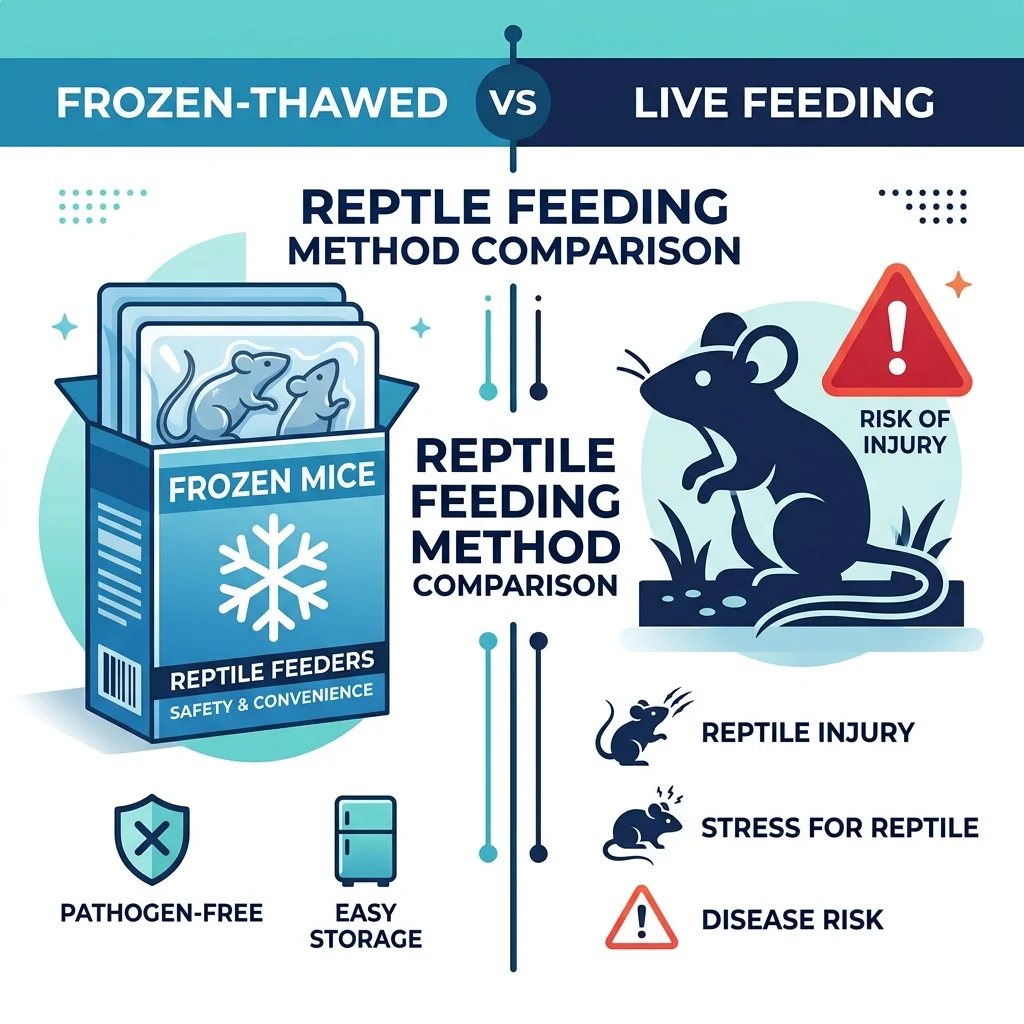
If you feed a snake a rodent that was poorly nourished, died of a bacterial infection, or suffered severe freezer burn due to a lack of cold-chain integrity, you are throwing a wrench into this delicate machinery.
- Bacterial Overload: Feeding a rodent that began to spoil before freezing introduces a massive load of toxic bacteria into the snake's stomach, which can overwhelm even their potent stomach acid, leading to enteritis or regurgitation.
- Lipid Oxidation (Rancidity): Freezer-burned rodents have oxidized fats. Oxidized fats are difficult to emulsify and digest, and they produce free radicals that cause cellular damage to the snake's intestinal lining.
- Nutritional Voids: If the rodent was fed a poor diet, its liver and bones will lack the vitamins and calcium the snake needs to absorb during the intestinal phase, leading to long-term deficiencies.
This is why sourcing biosecure, lab-quality frozen feeders is not a luxury; it is a fundamental requirement for supporting healthy digestion.
10. Frequently Asked Questions About Reptile Digestion
Q: How long does it take a snake to completely digest a meal? A: It varies wildly by species, age, meal size, and temperature. A hatchling corn snake might digest a pinky mouse and defecate in 3 to 4 days. An adult reticulated python might take 14 to 21 days to completely digest a large rabbit.
Q: Why does my snake hide for days after eating? A: Digestion is exhausting. The massive metabolic spike (SDA) leaves the snake with very little energy for movement or defense. Furthermore, a snake with a full stomach is heavy, slow, and highly vulnerable to predators. Their instinct is to retreat to a dark, warm, secure hide to process the meal in safety.
Q: Can I handle my snake while it is digesting? A: No. Handling a snake within 48 to 72 hours of a meal causes severe stress. If the snake feels threatened, its instinct is to regurgitate the meal so it can flee quickly. Even gentle handling can disrupt the position of the prey in the delicate, swollen stomach, leading to internal injury.
Q: My snake hasn't pooped in weeks, is it constipated? A: Probably not. Snakes are incredibly efficient at nutrient extraction. An adult Ball Python fed an appropriately sized rat may only defecate once every 3 to 5 weeks. As long as the snake's cloaca is not swollen, and it is behaving normally, infrequent defecation is normal for heavy-bodied species. Soaking them in warm water unnecessarily to "force" a bowel movement causes stress.
Q: Why is there a lump in my snake's belly days after eating? A: This is the physical mass of the prey slowly dissolving in the stomach. The lump will gradually move further down the body as it turns to chyme and enters the intestines, eventually disappearing entirely as the nutrients are absorbed.
Q: Should I drop the temperature at night while my snake is digesting? A: A slight, natural nighttime drop (e.g., from 90°F down to 82°F) is acceptable and mirrors natural conditions. However, drastic drops below 75°F can stall the digestive enzymes and risk regurgitation. If the ambient room temperature is cold, ensure the warm-side hide retains sufficient heat overnight.
Conclusion
The digestive system of a snake is one of nature's most extreme and elegant biological marvels. It is a system capable of entirely shutting down to survive famine, and then explosively rebuilding itself to liquefy bone and tissue.
By understanding the immense energy (SDA), the precise temperatures, and the specific physiological states required for this process to succeed, keepers can better appreciate the necessity of flawless husbandry. Every aspect of your care—from the thermostat setting to the quality of the frozen-thawed rodents you purchase—directly impacts this incredible internal machinery.
Provide the right heat, the right environment, and the right fuel, and your snake's evolutionary programming will handle the rest flawlessly.