Key Takeaway
The complete blue-tongued skink diet guide. Covers the correct protein-to-vegetable ratio, safe and unsafe foods, how pinky mice fit into the diet, feeding frequency by age, and supplement protocols.
Table of Contents
- 1. Understanding Blue-Tongued Skink Dietary Biology
- Wild Diet
- Species Variation
- 2. The Correct Diet Ratio for Blue-Tongued Skinks
- 3. Animal Protein Sources: The Complete Guide
- Insects (Excellent)
- High-Quality Dog and Cat Food (Good)
- Snails (Excellent)
- Cooked Lean Meat (Good)
- Pinky Mice: How They Fit Into the BTS Diet
- 4. Plant Matter: The Vegetable and Fruit Component
- Excellent Vegetables (Core of the Diet)
- Good Vegetables (Variety and Rotation)
- Fruits (Limited — High Sugar)
- 5. Foods to Avoid Entirely
- 6. Feeding Frequency by Age
- Hatchlings and Juveniles (0–12 months)
- Sub-Adults (12–24 months)
- Adults (2+ years)
- 7. Calcium and Vitamin Supplementation
- Calcium Supplementation
- Multivitamin Supplementation
- 8. Hydration
- 9. Feeding Frozen Pinkies: Practical Tips for BTS Keepers
- Frequently Asked Questions
- Conclusion
- 11. Meal Planning: Putting It All Together
- 12. Common BTS Diet Mistakes and Corrections
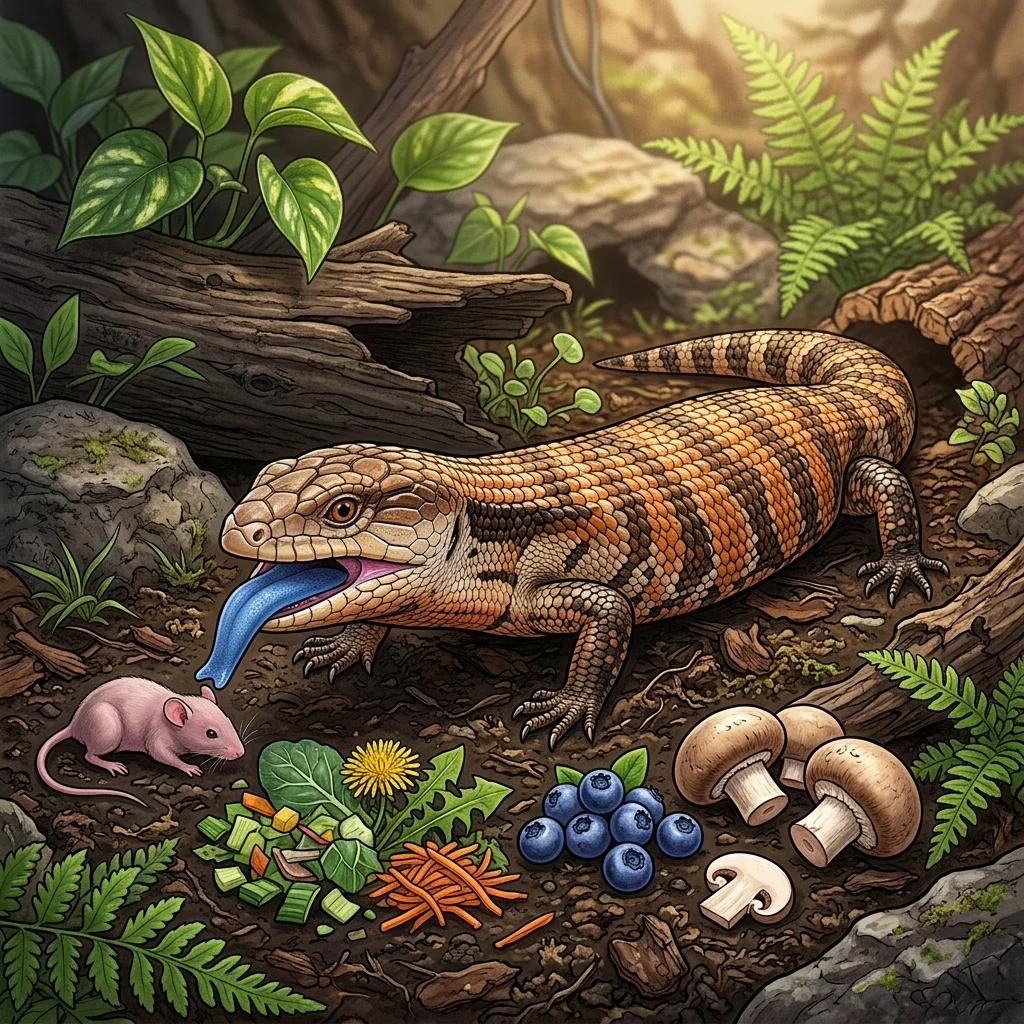
Blue-tongued skinks (Tiliqua spp.) are among the most personable, intelligent, and rewarding lizards in the reptile hobby. Their calm temperament, impressive size, and distinctive cobalt-blue tongue make them captivating display animals. But their dietary needs are frequently misunderstood — they are omnivores with genuinely complex nutritional requirements, and getting the balance wrong leads to obesity, metabolic bone disease, organ problems, and shortened lifespans.
This guide covers the complete blue-tongued skink diet from hatchling through adult, including the role of pinky mice and feeder rodents, the best vegetable and protein sources, what to avoid, supplementation protocols, and species-specific considerations. At Loxahatchee Rodents, our expertise centers on feeder rodents — and BTS are one of the reptile species that benefit from appropriately used pinky mice as a protein supplement.
1. Understanding Blue-Tongued Skink Dietary Biology
Blue-tongued skinks are true omnivores — meaning they have evolved to digest and optimally utilize both plant and animal matter. This is different from most reptiles in the pet trade, which are either carnivores (snakes, most monitor lizards) or herbivores (iguanas, tortoises). The BTS digestive system is specifically adapted for a mixed diet.
Wild Diet
In the wild, blue-tongued skinks consume:
- Fungi and vegetation: Leaves, soft plants, fruits, berries — opportunistically consumed
- Gastropods: Snails and slugs, which are a significant protein and calcium source in many habitats
- Invertebrates: Beetles, earthworms, caterpillars, beetles, and other ground-dwelling invertebrates
- Small vertebrates: Occasionally, very small rodents or bird eggs when encountered
- Carrion: BTS are opportunistic scavengers and will consume carrion when encountered
This wild diet explains the BTS's nutritional requirements: high protein from animal sources, significant calcium from shells and bones, and plant matter providing fiber, micronutrients, and hydration.
Species Variation
The commonly kept species and their habitat origins affect dietary proportions:
| Species | Common Name | Origin | Dietary Lean |
|---|---|---|---|
| Tiliqua scincoides scincoides | Northern BTS | Northern Australia | More omnivorous; good protein balance |
| Tiliqua scincoides intermedia | Northern BTS (NT form) | Northern Territory, Australia | Similar to above |
| Tiliqua gigas | Indonesian/Irian Jaya BTS | Indonesia | More protein-heavy in captivity observations |
| Tiliqua occipitalis | Western BTS | Western Australia | More herbivorous; lower protein needs |
| Tiliqua nigrolutea | Blotched BTS | Southern Australia | More herbivorous; sensitive to excess protein |
| Tiliqua adelaidensis | Adelaide Pygmy BTS | South Australia | Smallest; very high invertebrate diet in wild |
Critical note for Western and Blotched BTS: These southern Australian species are more herbivorous than their northern counterparts. Feeding them the same protein levels appropriate for Northern BTS can cause kidney disease over time. Consult species-specific resources and reduce animal protein for these subspecies.
2. The Correct Diet Ratio for Blue-Tongued Skinks
The debate in the BTS community centers on the exact proportion of animal protein to plant matter. After reviewing zoological literature and practical husbandry experience, the most defensible consensus is:
Northern and Indonesian BTS (adults):
- 50% animal protein (insects, snails, dog/cat food, occasional pinky mice)
- 50% plant matter (vegetables, some fruit, leafy greens)
Southern Australian species (adults):
- 30% animal protein
- 70% plant matter
All species (juveniles — first 12 months):
- 60–70% animal protein
- 30–40% plant matter Juveniles are in rapid growth phase and have significantly higher protein requirements than adults.
3. Animal Protein Sources: The Complete Guide
Insects (Excellent)
Insects are the most natural and biologically appropriate animal protein source for BTS:
| Insect | Protein % | Fat % | Notes |
|---|---|---|---|
| Dubia roaches | ~23% | ~7% | Excellent protein-to-fat ratio; highly recommended |
| Black soldier fly larvae (BSFL) | ~18% | ~9% | High calcium; great supplementation |
| Crickets | ~21% | ~6% | Good staple; must be gut-loaded |
| Superworms | ~19% | ~18% | Higher fat; limit in adults |
| Hornworms | ~9% | ~3% | Very high moisture; good hydration |
| Silkworms | ~14% | ~2% | Excellent; low fat |
| Mealworms | ~20% | ~13% | Higher fat; limit to occasional |
Gut-loading is essential: Feeder insects should be fed nutritious food for 24–48 hours before offering. Gut-loaded insects transfer their last meal's nutrition to the BTS. Carrots, leafy greens, and commercial gut-load diets are appropriate.
High-Quality Dog and Cat Food (Good)
This is a controversial-sounding but well-established BTS protein source. Many experienced BTS keepers and breeders use grain-free, high-protein wet dog or cat food as a significant protein component. The key is using quality brands without fillers.
What to look for:
- Meat as first ingredient (chicken, turkey, beef, rabbit)
- No grains (corn, wheat, soy) as primary ingredients
- No artificial colors or preservatives
- Moisture content (wet food) above 70%
Appropriate brands: Merrick, Wellness, Castor & Pollux, Instinct (check labels as formulations change)
Wet cat food can be mixed directly with vegetables to create a complete meal. Many BTS keepers use a 50/50 mix of high-quality wet dog food and chopped vegetables as their primary feeding strategy.
Snails (Excellent)
Escargot (canned snails in water, not in garlic sauce or oil) are an excellent protein and calcium source for BTS. The shells provide valuable calcium that doesn't interfere with the diet's calcium-phosphorus balance.
Can be offered chopped or whole for larger adults. Most BTS show strong interest in snails — the shell cracking behavior is one of the most interesting feeding behaviors these skinks demonstrate.
Cooked Lean Meat (Good)
Plain cooked chicken, turkey, or beef can be offered as an occasional protein variety. Cook without seasoning, oils, or additives. Shred or chop finely. Do not feed raw meat due to Salmonella risk.
Pinky Mice: How They Fit Into the BTS Diet
This is where Loxahatchee Rodents' expertise is most directly relevant to BTS keepers. Pinky mice are appropriate for BTS as an occasional protein supplement — not a staple food source.
Why pinkies work for BTS:
- High protein content (~15% fresh weight)
- Complete amino acid profile
- Good source of fat-soluble vitamins from organ tissue
- Calcium from developing bone tissue
How to feed pinkies to BTS:
- Frequency: Maximum once every 7–10 days for adults, once per week for juveniles
- Size: Use pinky or fuzzy mice only — larger mice have too much fat for routine use
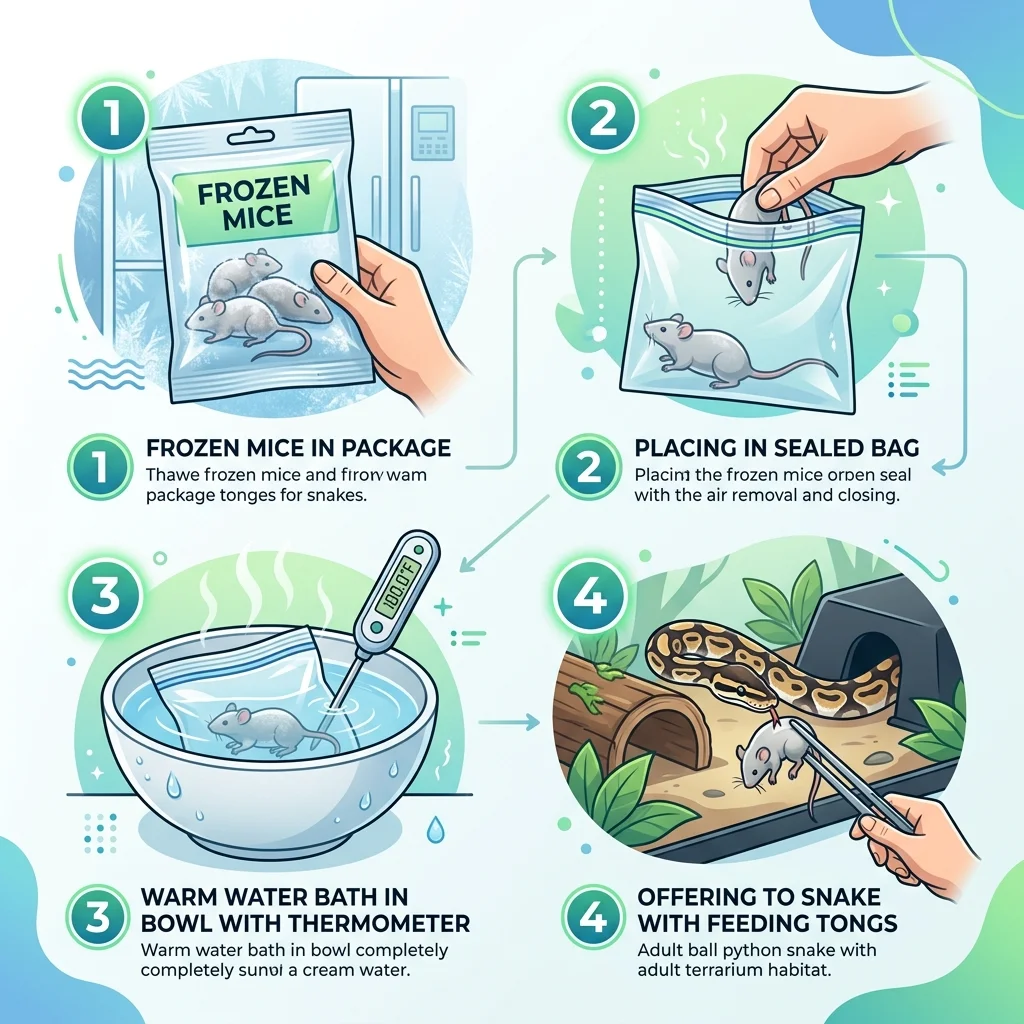
- Thawing: Follow our complete thawing protocol — BTS are warm-blooded hunters and detect heat, so properly warmed pinkies are more readily accepted
- Presentation: Most BTS will accept pinkies placed in a food dish or offered from tongs. Some individuals need the pinky to be wiggled slightly to trigger the feeding response.
Cautions:
- Do not feed pinkies more than once per week — the fat content is too high for regular use in an omnivore
- Adult mice (larger sizes) are inappropriate for BTS due to excessive fat and the risk of obesity
- Western and Blotched BTS should receive pinkies no more than once every 2 weeks
See our frozen mice size chart for pinky sizing reference.
4. Plant Matter: The Vegetable and Fruit Component
The plant component of the BTS diet provides fiber, micronutrients, hydration, and important phytonutrients. Variety is essential — no single vegetable provides complete nutrition.
Excellent Vegetables (Core of the Diet)
| Vegetable | Notes |
|---|---|
| Collard greens | High calcium, excellent staple |
| Mustard greens | High calcium and nutrients; good rotation with collard |
| Turnip greens | Calcium-rich; rotate into the diet |
| Endive/escarole | Good vitamin A; well accepted |
| Butternut squash (cooked) | High vitamin A; good base vegetable |
| Acorn squash | Similar to butternut; good nutrition |
| Green beans | High fiber; good variety item |
| Snap peas | Moderate nutrition; most BTS accept readily |
| Bell pepper (any color) | High vitamin C; good variety |
| Zucchini | Lower nutrition but high moisture; useful in diet |
Good Vegetables (Variety and Rotation)
| Vegetable | Notes |
|---|---|
| Carrots | High beta-carotene; limit due to sugar content |
| Parsnips | Good variety; moderate nutrition |
| Broccoli | Nutritious but contains goitrogens; limit to 1–2x/week |
| Dandelion greens | Excellent nutrition; forage-type item |
| Hibiscus leaves and flowers | Excellent natural food; high calcium |
| Prickly pear cactus (de-spined) | High calcium; water content |
Fruits (Limited — High Sugar)
Fruits should be no more than 10% of the plant component (approximately 5% of total diet) due to high sugar content:
| Fruit | Notes |
|---|---|
| Blueberries | Antioxidant-rich; well accepted by most BTS |
| Strawberries | Good but high sugar |
| Papaya | Good enzyme content; accepted by most |
| Mango | High sugar; offer rarely |
| Raspberries | Acceptable in small amounts |
Avoid high-oxalate foods: Spinach, Swiss chard, and beet greens bind calcium and can contribute to metabolic bone disease if fed in excess. These are not poisonous but should be limited to occasional variety items only.
Avoid goitrogenic foods in excess: Cabbage, bok choy, kale, and Brussels sprouts contain goitrogens that interfere with thyroid function when fed as primary diet components. Rotate these in as variety items only.
5. Foods to Avoid Entirely
Some foods commonly offered to reptiles are genuinely dangerous for BTS:
| Food | Why to Avoid |
|---|---|
| Avocado | Contains persin — toxic to most animals |
| Rhubarb | High oxalic acid — toxic |
| Wild-caught insects | Potential exposure to pesticides, parasites |
| Onions, garlic | Disulfide compounds — toxic |
| Chocolate | Theobromine — toxic |
| Citrus fruits | Highly acidic; GI irritant for reptiles |
| Raw beans | Phytohemagglutinins — toxic uncooked |
| Fireflies/lightning bugs | Contain lucibufagins — highly toxic to reptiles |
| Processed human food | Salt, artificial additives, preservatives |
| Dog/cat food with fillers | Corn, wheat, soy as primary ingredients — avoid |
| Live adult mice | Unnecessary risk; pinky/fuzzy frozen are appropriate |
6. Feeding Frequency by Age
Hatchlings and Juveniles (0–12 months)
Frequency: Daily to every other day
Ratio: 60–70% animal protein, 30–40% vegetables
Juvenile BTS grow rapidly and have high protein requirements. Offer food daily or every other day in amounts they can consume in 15–20 minutes. Remove uneaten food promptly to prevent bacterial growth.
Typical meal: A mix of finely chopped dubia roaches or quality wet dog food with finely chopped collard greens and butternut squash. A pinky mouse can be offered once per week as a protein boost.
Sub-Adults (12–24 months)
Frequency: Every 2 days
Ratio: 55% animal protein, 45% vegetables
Continue high protein access but begin the transition toward the adult ratio as growth slows.
Adults (2+ years)
Frequency: Every 2–3 days
Ratio: 50% animal protein, 50% vegetables (or 30/70 for southern Australian species)
Adult BTS on an appropriate diet should maintain a stable body weight. Weigh monthly.
Monitoring body condition: A healthy adult BTS should have a smooth, rounded tail (fat storage) without excess deposits, a body that is clearly cylindrical but not "bloated," and alert, active behavior. Tails that are significantly thicker than the body, or BTS that resist moving due to weight, are obese.
7. Calcium and Vitamin Supplementation
BTS, unlike snakes fed whole prey, require calcium and vitamin supplementation because their diet is not exclusively composed of whole prey animals.
Calcium Supplementation
Without vitamin D3: For BTS with adequate UVB lighting exposure, use calcium powder without D3 at every feeding.
With vitamin D3: For BTS without UVB lighting (or with limited UVB), use calcium powder with D3 two to three times per week.
Application: Dust insects lightly before offering. Mix calcium powder into the vegetable and protein mix at a ratio of approximately 1/4 teaspoon per cup of food.
UVB lighting recommendation: BTS should ideally have access to 8–12 hours of appropriate UVB light (T5 HO, 10.0 UVB for Tiliqua scincoides). UVB allows the skink to synthesize vitamin D3 naturally — one of the most important metabolic functions for calcium absorption.
Multivitamin Supplementation
Use a reptile-specific multivitamin (Repashy Supervite, ZooMed Reptivite) once per week. Do not use daily — fat-soluble vitamin overdose (particularly vitamin A) is possible with daily supplementation.
8. Hydration
BTS obtain significant moisture from food, particularly from high-moisture vegetables like zucchini, squash, and wet cat/dog food. However, a shallow water dish should be available at all times.
Soaking: Weekly soaking in lukewarm (88–92°F) water for 15–30 minutes improves hydration, assists with shedding, and is generally enjoyed by most BTS. This is particularly important in dry climates or during the shedding process.
9. Feeding Frozen Pinkies: Practical Tips for BTS Keepers
As a reptile keeper who may already purchase frozen feeders for snakes, adding pinky mice to your BTS's feeding rotation is convenient and nutritionally valuable. Here are BTS-specific tips:
Thawing for BTS: BTS respond to warm prey items but do not have the same thermal detection sensitivity as snakes. Thaw pinkies using our standard thawing protocol and warm to approximately 90–95°F. Most BTS will accept pinkies placed directly in the food dish.
Presentation variation: Some BTS prefer pinkies placed in the food dish alongside other food items, mixing the scent profiles. Others prefer pinkies offered separately. Experiment to find your individual animal's preference.
Combining with vegetables: It is fine to mix a chopped or sliced thawed pinky with the vegetable component of the meal. The BTS will typically consume the animal component first and then eat the vegetables.
Storage: Pinky mice store well for 6–12 months in a dedicated chest freezer at -18°C. For storage guidance, see our frozen rodent storage guide. For quality inspection before feeding, see our how to identify spoiled frozen rodents guide.
Frequently Asked Questions
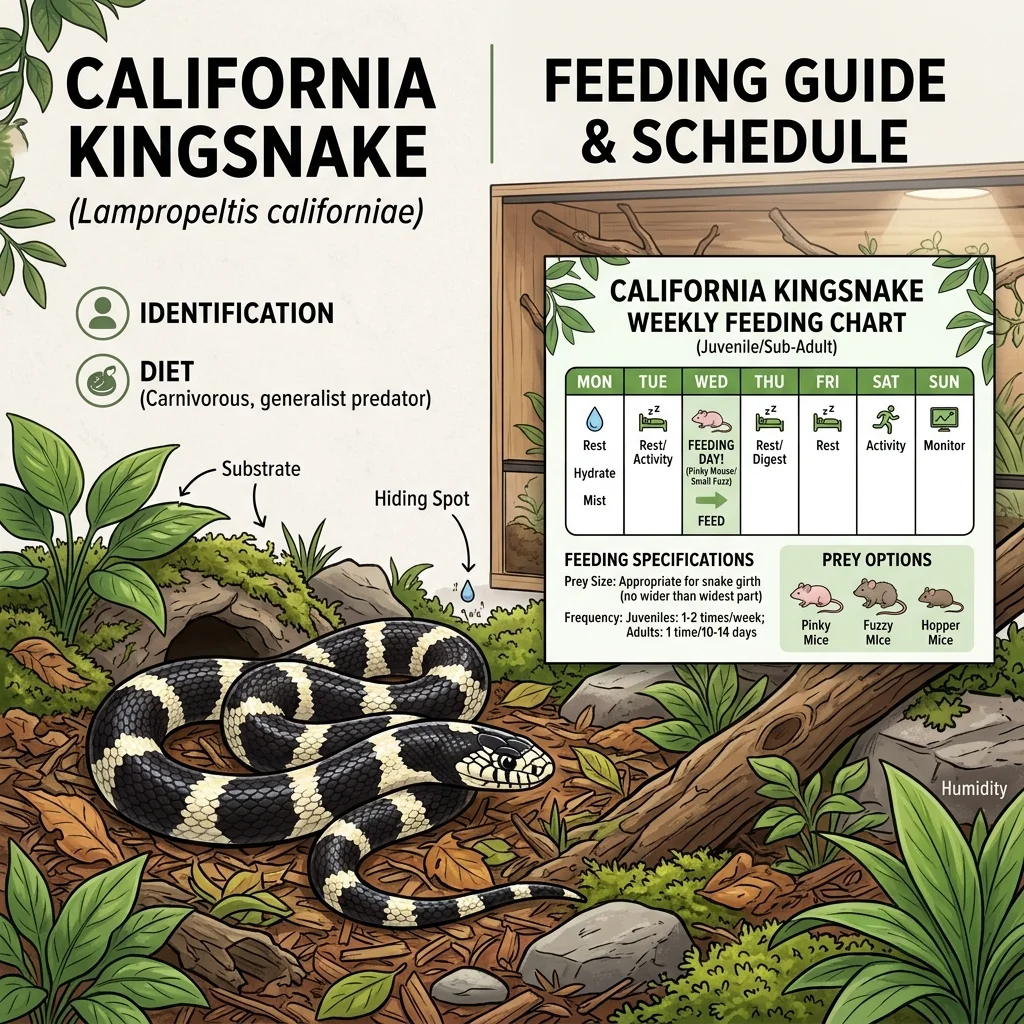
Q: Can I feed my BTS the same food as my corn snake? A: Partially. Frozen-thawed mice are appropriate for both, but corn snakes eat them as their entire diet while BTS should receive pinkies as only a small component of a mixed diet.
Q: My BTS only wants to eat meat and refuses vegetables. What do I do? A: Mix finely chopped or pureed vegetables into the meat component so they are inseparable. Many BTS raised on primarily animal protein will initially refuse vegetables; consistency and mixing is key.
Q: Is it okay to feed my BTS live insects vs. frozen pinkies? A: Yes — live, gut-loaded insects are generally preferable to frozen for BTS because they are more engaging and natural. Frozen pinkies are a specific protein supplement, not a replacement for live insect feeding.
Q: How do I know if my BTS is getting the right nutrition? A: Signs of good nutrition: active behavior, smooth shedding every 4–8 weeks, stable weight, firm (not soft) tail fat deposits, and no limb deformities. Any limb deformity, lethargy, or abnormal shedding warrants veterinary consultation including a nutritional review.
Conclusion
The blue-tongued skink diet is one of the most interesting and complex diets in the reptile hobby — a genuine omnivore's nutritional puzzle that rewards keepers who take the time to understand the balance correctly. By maintaining the appropriate 50/50 ratio of quality animal protein and diverse vegetables, supplementing appropriately, and incorporating occasional high-quality frozen pinky mice as a protein supplement, you give your BTS the foundation for a 15–20 year healthy, active life.
For more expert resources, explore our complete reptile feeding guides. For related articles, see our frozen mice size chart for pinky sizing, our how to thaw frozen mice guide, and our how to store frozen rodents guide. Visit our home page to learn more about Loxahatchee Rodents.
Written by Bill Galloway, Former Assistant Curator at Palm Beach Zoo and co-founder of Loxahatchee Rodents.
11. Meal Planning: Putting It All Together
Here is a practical week-by-week meal planning example for an adult Northern BTS on a 2-day feeding schedule:
Monday (Feeding Day): Protein-heavy meal: 50g high-quality wet dog food mixed with 30g collard greens and 20g butternut squash (cooked). Dust lightly with calcium powder.
Wednesday (Feeding Day): Insect-focused meal: 10–12 large dubia roaches (gut-loaded with leafy greens), 30g mixed bell pepper, zucchini, and mustard greens. Multivitamin supplement added.
Friday (Feeding Day): Varied protein: 40g wet cat food or cooked chicken, 30g snap peas and dandelion greens, 10g blueberries. Calcium supplement added.
Sunday (Feeding Day): Pinky mouse supplement meal: One thawed pinky mouse offered in the food dish or with tongs. Mix with 40g vegetable medley (collard greens, carrots, green beans). No additional supplements — the pinky provides its own calcium.
This rotation provides variety, appropriate protein levels, calcium supplementation on multiple days, and occasional pinky mice for high-quality protein and fat-soluble vitamins.
12. Common BTS Diet Mistakes and Corrections
Mistake: Feeding cat food exclusively Some BTS keepers feed primarily wet cat food because their animal accepts it eagerly. While quality wet cat food is a valuable component, it lacks the fiber content of plant matter and the micronutrient variety of a mixed diet. BTS fed exclusively cat food often develop kidney disease from excess protein.
Correction: Use cat food as 25–30% of the protein component, mixed with vegetables.
Mistake: Assuming BTS don't need UVB The D3 in vitamin supplements is less bioavailable than naturally synthesized D3. BTS kept without any UVB supplementation and fed supplemented diets have significantly higher rates of metabolic bone disease than those with proper UVB access.
Correction: Provide a quality T5 HO UVB lamp (10.0 UVB), 10–12 hours/day, positioned at the correct distance from the basking zone.
Mistake: Offering pinkies too frequently Some keepers see how eagerly their BTS accepts pinkies and begin offering them at every feeding session. The high fat content of adult-oriented pinky mice, when offered daily, leads to rapid obesity and fatty liver disease.
Correction: Maximum one pinky per week for adults. Hatchlings can have pinkies more frequently as their protein needs are higher.
For feeder mouse sizing including pinky reference, see our frozen mice size chart. For storage of frozen pinkies alongside other feeders, see our frozen rodent storage guide. For thawing protocol, see our how to thaw frozen mice guide.
Written by Bill Galloway, Former Assistant Curator at Palm Beach Zoo and co-founder of Loxahatchee Rodents.