Key Takeaway
Corn snakes are the most popular pet reptiles for a reason, but proper nutrition is key to their health. This comprehensive guide covers prey sizing, feeding frequency, and troubleshooting for all life stages.
Table of Contents
- 1. The Biology of Corn Snake Nutrition
- 2. Corn Snake Prey Size Chart (By Weight)
- 3. Feeding Frequency: The Corn Snake Schedule
- Hatchlings (Birth to 6 Months)
- Juveniles (6 to 18 Months)
- Adults (18 Months and Older)
- 4. The Importance of Frozen-Thawed Feeding
- 5. Handling the "High Food Drive"
- 6. Troubleshooting: When Your Corn Snake Won't Eat
- 7. External Authority and Best Practices
- Conclusion
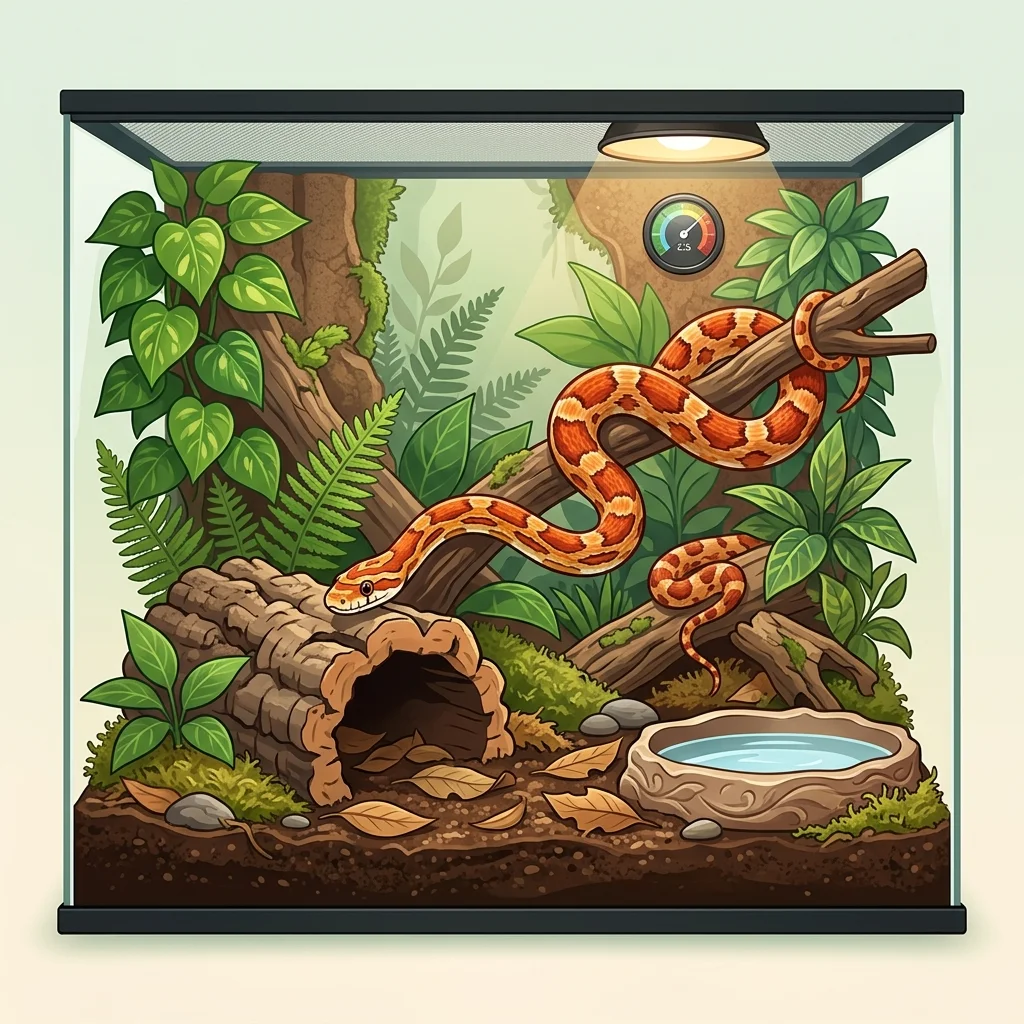
Corn snakes (Pantherophis guttatus) have long been the gold standard for beginner reptile enthusiasts. Their docile nature, manageable size, and stunning array of color morphs make them nearly perfect captive companions. However, while they are often described as "easy" to care for, their long-term health and longevity (often exceeding 20 years) depend heavily on a scientifically grounded feeding regimen.
At Loxahatchee Rodents, we've spent over 25 years studying the metabolic needs of colubrids. Unlike ball pythons, which have a slow, deliberate metabolism, corn snakes are active, fast-moving hunters with dietary requirements that change significantly as they grow. This guide provides the most thorough, evidence-based approach to corn snake nutrition available today.
1. The Biology of Corn Snake Nutrition
In the wild, corn snakes are opportunistic generalists. Their natural diet includes small rodents, birds, bird eggs, and occasionally lizards or frogs. In captivity, a diet based on high-quality feeder mice provides a complete nutritional profile that mimics the protein-to-fat ratios they receive in the wild.
Because corn snakes are "constrictors" (though less powerful than pythons), they rely on muscle density and metabolic heat to digest their prey. Providing the correct prey size is critical; a meal that is too large can lead to regurgitation, while a meal that is too small will result in stunted growth and a weakened immune system.
For a deeper dive into how different rodents compare nutritionally, see our complete feeder nutrition comparison.
2. Corn Snake Prey Size Chart (By Weight)
The most common mistake keepers make is guessing the prey size based on the snake's length. Always size your prey based on the snake's weight in grams. This ensures precision and prevents the risk of internal injury. (For a fully illustrated visual breakdown, see our dedicated Corn Snake Frozen Mouse Size Chart).
| Snake Weight (Grams) | Recommended Prey Item | Average Prey Weight |
|---|---|---|
| 4 – 15g | Pinky Mouse | 1 – 3g |
| 16 – 30g | Large Pinky / Fuzzy | 3 – 5g |
| 31 – 50g | Fuzzy Mouse | 5 – 7g |
| 51 – 90g | Hopper Mouse | 7 – 12g |
| 91 – 170g | Weanling Mouse | 13 – 18g |
| 171 – 400g | Adult Mouse (S/M) | 19 – 25g |
| 400g+ | Large Adult Mouse | 25 – 35g |
Expert Tip: The prey item should be approximately 1 to 1.25 times the width of the snake at its thickest point. You should notice a slight, visible bulge in the snake's midsection after feeding, which should disappear within 24 to 48 hours.
3. Feeding Frequency: The Corn Snake Schedule
Corn snakes have a faster metabolism than many other common pet snakes. A hatchling corn snake can digest a pinky mouse in just a few days, whereas an adult ball python may take a week or more to process a rat.
Hatchlings (Birth to 6 Months)
- Schedule: Every 5 to 7 days.
- Goal: Rapid, healthy growth to move them past the "fragile" stage. Hatchlings have small energy reserves and can decline quickly if meals are missed.
Juveniles (6 to 18 Months)
- Schedule: Every 7 to 10 days.
- Goal: Sustained growth without causing obesity. As the snake reaches sub-adult size, you can begin to space out feedings slightly.
Adults (18 Months and Older)
- Schedule: Every 10 to 14 days.
- Goal: Maintenance and weight management. Adult corn snakes are prone to obesity if fed weekly. Monitor their body shape; an "M" shape (viewed from the end) indicates a healthy weight, while a round or "O" shape suggests they are becoming overweight.
4. The Importance of Frozen-Thawed Feeding
We strongly advocate for frozen-thawed (F/T) feeding for all corn snakes. Live prey can bite, scratch, and cause infections that can be fatal to your snake. Furthermore, the freezing process kills many common parasites that may be present in live rodents.
To ensure your snake accepts frozen prey, you must thaw and warm it correctly to simulate the body heat of a live animal. Follow our step-by-step guide on how to thaw frozen mice safely using the warm water method.
5. Handling the "High Food Drive"
Corn snakes are known for their enthusiastic feeding response. This is generally a sign of a healthy snake, but it can lead to "feeding nips" if the keeper is not careful.
- Use Tongs: Never use your fingers to offer prey. Long feeding tongs (10-12 inches) keep your hand away from the "strike zone."
- Target Training: Some keepers tap the enclosure gently or use a specific signal to let the snake know it is feeding time.
- Scent Management: Wash your hands thoroughly before and after handling prey. If you smell like a mouse, the snake may mistake your hand for food.
6. Troubleshooting: When Your Corn Snake Won't Eat
While corn snakes are usually reliable eaters, they may refuse food for several reasons:
- The Shedding Cycle: Most corn snakes will refuse food when their eyes turn "blue" (opaque). This is normal. Wait until the snake has fully shed before offering food again.
- Brumation: During winter months, even in heated enclosures, some snakes sense the change in barometric pressure and go off feed.
- Stress: Ensure your enclosure has at least two snug hides and proper temperature gradients (85°F warm side, 75°F cool side).
- Improper Temperature: If the prey isn't warm enough (target 98–100°F), the snake's heat pits may not recognize it as food.
If your snake does eat but then vomits the meal, consult our snake regurgitation emergency guide immediately. This is a serious condition that requires specific fasting protocols.
7. External Authority and Best Practices
According to the Association of Reptile and Amphibian Veterinarians (ARAV) [rel="nofollow"], consistent monitoring of your snake's weight is the best way to ensure long-term health. We recommend keeping a "feeding log" to track the date, prey size, and snake weight.
Additionally, always ensure your frozen feeders are sourced from a supplier that uses humane euthanasia methods and high-quality lab-grade diets. Poor-quality feeders can lead to nutritional deficiencies. Check our guide on how to identify spoiled frozen rodents to ensure every meal you provide is safe.
Conclusion
Feeding a corn snake is a rewarding part of reptile ownership. By following a weight-based sizing chart and a consistent schedule, you provide the foundation for a vibrant, active, and healthy pet.
Ready to stock up? Visit our shop for farm-fresh, nutritionally optimized frozen mice, or explore our full library of feeding guides for more expert advice.
Written by Jim Galloway, Senior Environmental Scientist and co-founder of Loxahatchee Rodents. Jim has over two decades of experience in herpetoculture and environmental biology.