Key Takeaway
Wondering if snakes can eat frozen mice? Discover the nutritional facts, safety benefits, and expert tips for feeding frozen-thawed rodents.
Table of Contents
- 1. The Nutritional Value of Frozen Mice
- Does Freezing Kill Parasites?
- 2. Pros of Feeding Frozen Mice
- A. Safety for the Snake
- B. Convenience and Storage
- C. Humane Ethics
- 3. Cons of Feeding Frozen Mice (And How to Overcome Them)
- A. The "Picky Eater" Syndrome
- B. Thawing Takes Time
- 4. How to Transition a Snake to Frozen Mice
- Conclusion
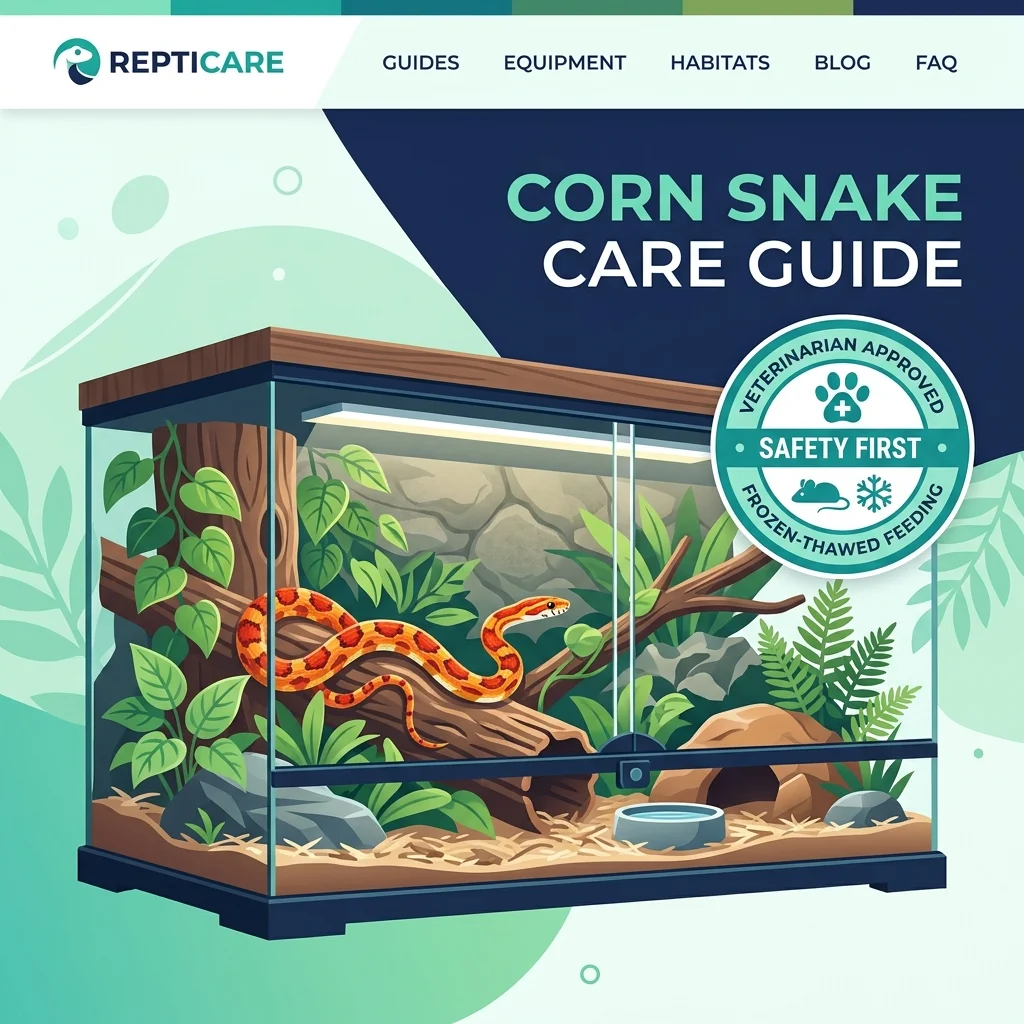
One of the most common questions new reptile owners ask is: "Can snakes eat frozen mice?" The short answer is an absolute yes. In fact, feeding frozen-thawed mice is the preferred method among the vast majority of exotic veterinarians, professional breeders, and experienced keepers worldwide.
In this deep-dive guide, we will explore why frozen mice are safe, how their nutritional value compares to live prey, and the pros and cons of making the switch (see our full frozen vs live feeding guide).
1. The Nutritional Value of Frozen Mice
A common misconception is that freezing a mouse destroys its nutritional value. This is scientifically inaccurate. When feeder rodents are rapidly frozen (flash-frozen) shortly after humane euthanasia, their nutrients, vitamins, and minerals are locked in.
Snakes require whole prey items because they digest the bones (for calcium), organs (for vitamins like Vitamin A and B-complex), and muscle tissue (for protein). A high-quality frozen mouse from a reputable supplier like Loxahatchee Rodents provides a 100% complete diet for a carnivorous snake.
Does Freezing Kill Parasites?
Yes! One of the massive hidden benefits of feeding frozen mice is parasite eradication. Prolonged freezing at deep temperatures kills many common internal parasites, mites, and bacteria that live rodents might carry. This adds a critical layer of biological safety for your pet snake.
2. Pros of Feeding Frozen Mice
A. Safety for the Snake
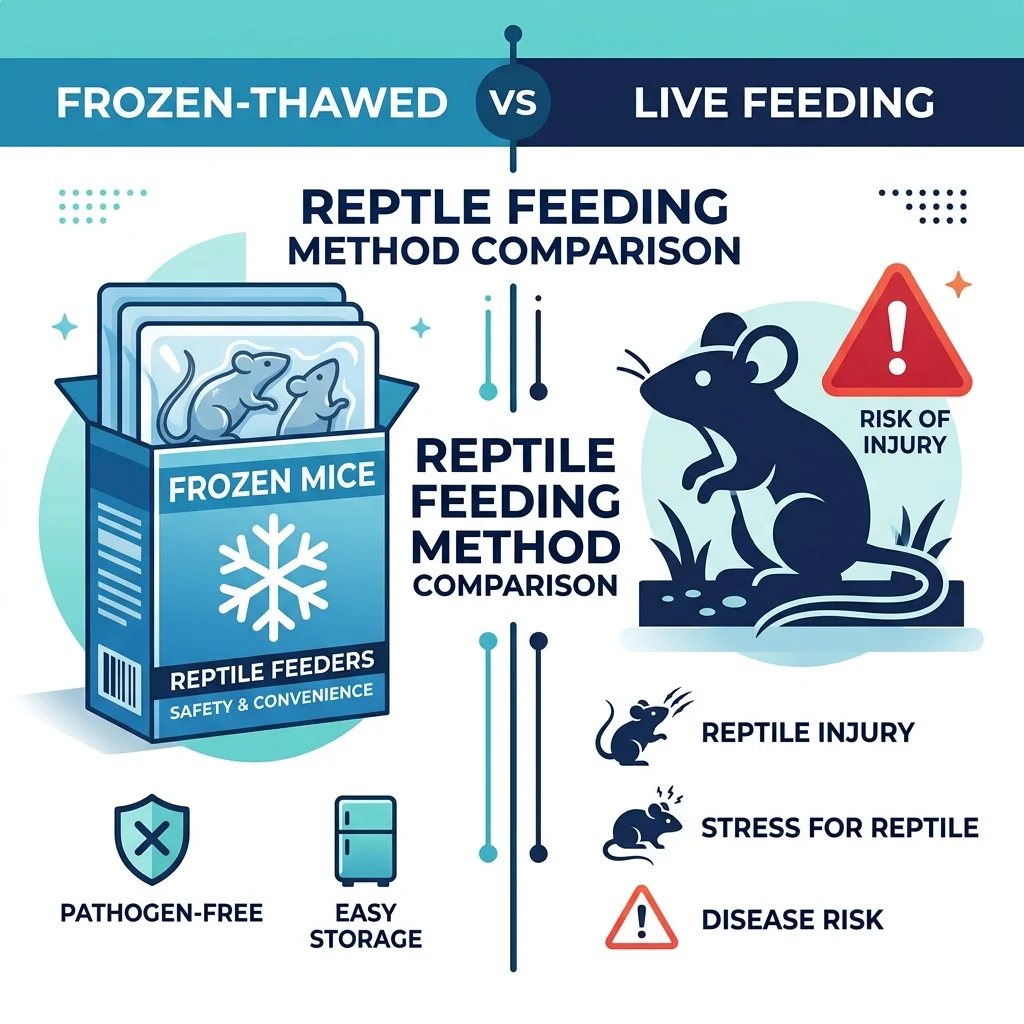
This is the number one reason to feed frozen. A live mouse or rat is fighting for its life. In a confined terrarium, a live rodent can severely bite, scratch, or even kill a pet snake. These injuries frequently lead to massive veterinary bills, severe infections, and permanent scarring. A frozen-thawed mouse poses zero physical threat to your reptile.
B. Convenience and Storage
Live rodents require food, water, bedding, and constant care. They also smell. Frozen rodents can be bought in bulk and stored securely in a freezer for up to 6 months without degrading in quality. This saves you significant time, money, and trips to the pet store.
C. Humane Ethics
Reputable feeder breeders use humane CO2 euthanasia methods before freezing. This ensures the rodent passes quickly and painlessly, avoiding the sheer terror and potential suffering of a live predatory strike and constriction.
3. Cons of Feeding Frozen Mice (And How to Overcome Them)
A. The "Picky Eater" Syndrome
Some snakes, particularly wild-caught individuals or notoriously picky species like Ball Pythons and Hognose Snakes, may initially refuse a dead prey item. They are triggered by the heat and movement of live prey. Solution: You can overcome this by ensuring the mouse is warmed to exactly 98°F-100°F. Use feeding tongs to "jiggle" the mouse, simulating live movement.
B. Thawing Takes Time
You cannot simply toss a frozen mouse into a tank. It requires pre-planning (see our guide on how to thaw frozen mice safely). Solution: Set a weekly alarm on your phone to remind you to move a mouse from the freezer to the fridge the night before feeding day.
4. How to Transition a Snake to Frozen Mice
If your snake is currently eating live, follow these steps to transition them to frozen-thawed:
- Fresh Killed: Have an experienced keeper humanely euthanize a live mouse and feed it immediately while it is still warm. This bridges the gap between live and dead prey.
- The "Bait and Switch": Offer a live mouse, but right before the snake strikes, replace it with a pre-warmed frozen-thawed mouse using tongs.
- Brain Scenting: Puncturing the skull of the thawed mouse to release scent fluids is a highly effective, albeit graphic, way to trigger a feeding response.
Conclusion
Can snakes eat frozen mice? Absolutely. Not only is it perfectly safe and nutritionally sound, but it is also the most responsible choice for the long-term health and safety of your pet. By sourcing premium frozen rodents and preparing them correctly, you are setting your snake up for a thriving life.